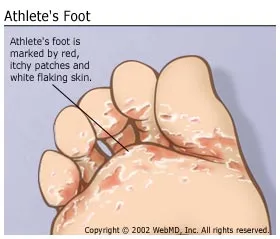
An antifungal is a pharmaceutical product that is used to kill fungus. Antifungal is used to treat mycoses such as athlete's foot, ringworm, candidiasis (thrush), serious systemic infections such as cryptococcal meningitis, and others.
Adverse effects:
Apart from side effects like liver damage or affecting estrogen levels, many antifungal medicines can cause allergic reactions in people. For example, the azole group of drugs is known to have caused anaphylaxis.
There are also many drug interactions. Patients must read in detail the enclosed data sheet(s) of the medicine. For example, the azole antifungals such as ketoconazole or itraconazole can be both substrates and inhibitors of the P-glycoprotein, which (among other functions) excretes toxins and drugs into the intestines. Azole antifungals also are both substrates and inhibitors of the cytochrome P450 family CYP3A4, causing increased concentration when administering, for example, calcium channel blockers, immunosuppressants, chemotherapeutic drugs, benzodiazepines, tricyclic antidepressants, macrolides and SSRIs.
Classes:
- Polyene antifungals:
A polyene is a molecule with multiple conjugated double bonds. A polyene antifungal is a macrocyclic polyene with a heavily hydroxylated region on the ring opposite the conjugated system. This makes polyene antifungals amphiphilic. The polyene antimycotics bind with sterols in the fungal cell membrane, principally ergosterol. This changes the transition temperature (Tg) of the cell membrane, thereby placing the membrane in a less fluid, more crystalline state. (In ordinary circumstances membrane sterols increase the packing of the phospholipid bilayer making the plasma membrane more dense.) As a result, the cell's contents including monovalent ions (K+, Na+, H+, and Cl-), small organic molecules leak and this is regarded one of the primary ways cell dies. Animal cells contain cholesterol instead of ergosterol and so they are much less susceptible. However, at therapeutic doses, some amphotericin B may bind to animal membrane cholesterol, increasing the risk of human toxicity. Amphotericin B is nephrotoxic when given intravenously. As a polyene's hydrophobic chain is shortened, its sterol binding activity is increased. Therefore, further reduction of the hydrophobic chain may result in it binding to cholesterol, making it toxic to animals.
- Amphotericin B
- Candicidin
- Filipin – 35 carbons, binds to cholesterol (toxic)
- Hamycin
- Natamycin – 33 carbons, binds well to ergosterol
- Nystatin
- Rimocidin
- Imidazole, triazole, and thiazole antifungals:
Azole antifungal drugs inhibit the enzyme lanosterol 14 α-demethylase; the enzyme necessary to convert lanosterol to ergosterol. Depletion of ergosterol in fungal membrane disrupts the structure and many functions of fungal membrane leading to inhibition of fungal growth.
1) Imidazoles:
Canesten (clotrimazole) antifungal cream
- Bifonazole
- Butoconazole
- Clotrimazole
- Econazole
- Fenticonazole
- Isoconazole
- Ketoconazole
- Miconazole
- Omoconazole
- Oxiconazole
- Sertaconazole
- Sulconazole
- Tioconazole
2) Triazoles
- Albaconazole
- Fluconazole
- Isavuconazole
- Itraconazole
- Posaconazole
- Ravuconazole
- Terconazole
- Voriconazole
3) Thiazoles:
- Abafungin
- Allylamines:
Allylamines inhibit squalene epoxidase, another enzyme required for ergosterol synthesis:
- Amorolfin
- Butenafine
- Naftifine
- Terbinafine
- Echinocandins:
Echinocandins may be used for systemic fungal infections in immunocompromised patients, they inhibit the synthesis of glucan in the cell wall via the enzyme 1,3-β glucan synthase:
- Anidulafungin
- Caspofungin
- Micafungin
Echinocandins are poorly absorbed when administered orally. When administered by injection they will reach most tissues and organs with concentrations sufficient to treat localized and systemic fungal infections.
- Others:
Benzoic acid – has antifugal properties, but must be combined with a keratolytic agent such as in Whitfield's ointment
Ciclopirox – (ciclopirox olamine) – is a hydroxypyridone antifungal which interferes with active membrane transport, cell membrane integrity, and fungal respiratory processes. It is most useful against tinea versicolour.
Flucytosine or 5-fluorocytosine – an antimetabolite pyrimidine analog
Griseofulvin – binds to polymerized microtubules and inhibits fungal mitosis
Haloprogin – discontinued due to the emergence of more modern antifungals with fewer side effects
Polygodial – strong and fast-acting in-vitroantifungal activity against Candida albicans.
Tolnaftate – a thiocarbamate antifungal, which inhibits fungal squalene epoxidase (similar mechanism to allylamines like terbinafine)
Undecylenic acid – an unsaturated fatty acid derived from natural castor oil; fungistatic, antibacterial, antiviral, and inhibits Candida morphogenesis
Crystal violet – a triarylmethane dye, it has antibacterial, antifungal, and anthelmintic properties and was formerly important as a topical antiseptic.
Alternatives:
Research conducted in 1996 indicated the following substances or essential oils had antifungal properties:
- Oregano – the most powerful anti-fungal of the essential oils, and possess significant activity against Candida Albicans. The minimum inhibitory concentration against C. albicans has been found to be <0.1ug per ml. In contrast, Caprylic Acid (a mixture of calcium and magnesium salts, a natural anti-fungal fatty acid), is 0.5ug.
- Allicin – created from crushing garlic
- Citronella oil – obtained from the leaves and stems of different species of Cymbopogon (lemon grass)
- Coconut oil – medium-chain triglycerides in the oil have antifungal activities
- Iodine – Lugol's iodine
- Lemon myrtle
- Neem seed oil
- Olive leaf
- Orange oil
- Palmarosa oil
- Patchouli
- Selenium – in dietary supplements or natural food sources, particularly Brazil nuts
- Tea tree oil – ISO 4730 ("oil of melaleuca, terpinen-4-ol type")
- Zinc – in dietary supplements or natural food sources, including pumpkin seeds and chickpeas
- Horopito (Pseudowintera colorata) leaf contains the antifungal compound polygodial.
- Turnip
- Chives
- Radish
Researchers at Tel Aviv University's Department of Plant Sciences published a study in 2009 indicating carnivorous plants, such as the Venus flytrap, contain compounds that may be useful in providing a new class of antifungal drugs for use in humans, for fungal infections that are resistant to current drugs.
Mechanism of action:
Antifungals work by exploiting differences between mammalian and fungal cells to kill the fungal organism without dangerous effects on the host. Unlike bacteria, both fungi and humans are eukaryotes. Thus, fungal and human cells are similar at the molecular level. This makes it more difficult to find or design drugs that target fungi without affecting human cells. As a consequence, many antifungal drugs cause side effects. Some of these side effects can be life-threatening if the drugs are not used properly.
Antidandruff shampoos:

Nizoral (ketoconazole) 2% shampoo
Antifungal agents (such as ketoconazole) are often found in antidandruff shampoos. The antifungal drugs inhibit the yeast Malassezia globosa which encourages seborrhoeic dermatitis and tinea versicolor.

An antifungal is a pharmaceutical product that is used to kill fungus. Antifungal is used to treat mycoses such as athlete's foot, ringworm, candidiasis (thrush), serious systemic infections such as cryptococcal meningitis, and others.
Adverse effects:
Apart from side effects like liver damage or affecting estrogen levels, many antifungal medicines can cause allergic reactions in people. For example, the azole group of drugs is known to have caused anaphylaxis.
There are also many drug interactions. Patients must read in detail the enclosed data sheet(s) of the medicine. For example, the azole antifungals such as ketoconazole or itraconazole can be both substrates and inhibitors of the P-glycoprotein, which (among other functions) excretes toxins and drugs into the intestines. Azole antifungals also are both substrates and inhibitors of the cytochrome P450 family CYP3A4, causing increased concentration when administering, for example, calcium channel blockers, immunosuppressants, chemotherapeutic drugs, benzodiazepines, tricyclic antidepressants, macrolides and SSRIs.
Classes:
Polyene antifungals:
A polyene is a molecule with multiple conjugated double bonds. A polyene antifungal is a macrocyclic polyene with a heavily hydroxylated region on the ring opposite the conjugated system. This makes polyene antifungals amphiphilic. The polyene antimycotics bind with sterols in the fungal cell membrane, principally ergosterol. This changes the transition temperature (Tg) of the cell membrane, thereby placing the membrane in a less fluid, more crystalline state. (In ordinary circumstances membrane sterols increase the packing of the phospholipid bilayer making the plasma membrane more dense.) As a result, the cell's contents including monovalent ions (K+, Na+, H+, and Cl-), small organic molecules leak and this is regarded one of the primary ways cell dies. Animal cells contain cholesterol instead of ergosterol and so they are much less susceptible. However, at therapeutic doses, some amphotericin B may bind to animal membrane cholesterol, increasing the risk of human toxicity. Amphotericin B is nephrotoxic when given intravenously. As a polyene's hydrophobic chain is shortened, its sterol binding activity is increased. Therefore, further reduction of the hydrophobic chain may result in it binding to cholesterol, making it toxic to animals.
- Amphotericin B
- Candicidin
- Filipin – 35 carbons, binds to cholesterol (toxic)
- Hamycin
- Natamycin – 33 carbons, binds well to ergosterol
- Nystatin
- Rimocidin
Imidazole, triazole, and thiazole antifungals:
Azole antifungal drugs inhibit the enzyme lanosterol 14 α-demethylase; the enzyme necessary to convert lanosterol to ergosterol. Depletion of ergosterol in fungal membrane disrupts the structure and many functions of fungal membrane leading to inhibition of fungal growth.
1) Imidazoles:

- Bifonazole
- Butoconazole
- Clotrimazole
- Econazole
- Fenticonazole
- Isoconazole
- Ketoconazole
- Miconazole
- Omoconazole
- Oxiconazole
- Sertaconazole
- Sulconazole
- Tioconazole
2) Triazoles
- Albaconazole
- Fluconazole
- Isavuconazole
- Itraconazole
- Posaconazole
- Ravuconazole
- Terconazole
- Voriconazole
3) Thiazoles:
Abafungin
Allylamines:
Allylamines inhibit squalene epoxidase, another enzyme required for ergosterol synthesis:
- Amorolfin
- Butenafine
- Naftifine
- Terbinafine
- Echinocandins:
Echinocandins may be used for systemic fungal infections in immunocompromised patients, they inhibit the synthesis of glucan in the cell wall via the enzyme 1,3-β glucan synthase:
- Anidulafungin
- Caspofungin
- Micafungin
Echinocandins are poorly absorbed when administered orally. When administered by injection they will reach most tissues and organs with concentrations sufficient to treat localized and systemic fungal infections.
- Others:
Benzoic acid – has antifugal properties, but must be combined with a keratolytic agent such as in Whitfield's ointment
Ciclopirox – (ciclopirox olamine) – is a hydroxypyridone antifungal which interferes with active membrane transport, cell membrane integrity, and fungal respiratory processes. It is most useful against tinea versicolour.
Flucytosine or 5-fluorocytosine – an antimetabolite pyrimidine analog
Griseofulvin – binds to polymerized microtubules and inhibits fungal mitosis
Haloprogin – discontinued due to the emergence of more modern antifungals with fewer side effects
Polygodial – strong and fast-acting in-vitroantifungal activity against Candida albicans.
Tolnaftate – a thiocarbamate antifungal, which inhibits fungal squalene epoxidase (similar mechanism to allylamines like terbinafine)
Undecylenic acid – an unsaturated fatty acid derived from natural castor oil; fungistatic, antibacterial, antiviral, and inhibits Candida morphogenesis
Crystal violet – a triarylmethane dye, it has antibacterial, antifungal, and anthelmintic properties and was formerly important as a topical antiseptic.
Alternatives:
Research conducted in 1996 indicated the following substances or essential oils had antifungal properties:
- Oregano – the most powerful anti-fungal of the essential oils, and possess significant activity against Candida Albicans. The minimum inhibitory concentration against C. albicans has been found to be <0.1ug per ml. In contrast, Caprylic Acid (a mixture of calcium and magnesium salts, a natural anti-fungal fatty acid), is 0.5ug.
- Allicin – created from crushing garlic
- Citronella oil – obtained from the leaves and stems of different species of Cymbopogon (lemon grass)
- Coconut oil – medium-chain triglycerides in the oil have antifungal activities
- Iodine – Lugol's iodine
- Lemon myrtle
- Neem seed oil
- Olive leaf
- Orange oil
- Palmarosa oil
- Patchouli
- Selenium – in dietary supplements or natural food sources, particularly Brazil nuts
- Tea tree oil – ISO 4730 ("oil of melaleuca, terpinen-4-ol type")
- Zinc – in dietary supplements or natural food sources, including pumpkin seeds and chickpeas
- Horopito (Pseudowintera colorata) leaf contains the antifungal compound polygodial.
- Turnip
- Chives
- Radish
Researchers at Tel Aviv University's Department of Plant Sciences published a study in 2009 indicating carnivorous plants, such as the Venus flytrap, contain compounds that may be useful in providing a new class of antifungal drugs for use in humans, for fungal infections that are resistant to current drugs.
Mechanism of action:
Antifungals work by exploiting differences between mammalian and fungal cells to kill the fungal organism without dangerous effects on the host. Unlike bacteria, both fungi and humans are eukaryotes. Thus, fungal and human cells are similar at the molecular level. This makes it more difficult to find or design drugs that target fungi without affecting human cells. As a consequence, many antifungal drugs cause side effects. Some of these side effects can be life-threatening if the drugs are not used properly.
Antidandruff shampoos:
Nizoral (ketoconazole) 2% shampoo
Antifungal agents (such as ketoconazole) are often found in antidandruff shampoos. The antifungal drugs inhibit the yeast Malassezia globosa which encourages seborrhoeic dermatitis and tinea versicolor.