We Post only the Best Stuff

Showing posts with label Pharmaceutical Definitions. Show all posts

Basics as well as Advanced Power Point Tutorial

It is the file which Er. Naveen Khanna Sir wanted to share with the 2nd Year students of PGIMS Rohtak,
The file hosts information about Power Point - from basics to advanced features, how to use it, make slides, presentations, slide shows, adding effects and all.
Click the below link to DOWNLOAD the file to your Phone/ PC or view it online.

Note: The file is hosted on External Servers of Media Fire and has been made available by Our faculty Member and our Teacher, Neither TechJatt site nor the admin holds any responsibility for Copyright violation or any other mis-happening the file may cause to your Knowledge 

Diabetes mellitus part 2

Pathophysiology:

The fluctuation of blood sugar (red) and the sugar-lowering hormone insulin (blue) in humans during the courseof a day with three meals - one of the effects of a sugar-rich vs a starch-rich meal is highlighted

Diabetes mellitus

Diabetes mellitus is when the patient has high blood pressure that is through a group of metabolic disease, either because cells do not respond to the insulin that is produced, or the pancreas does not produce enough insulin. This high blood sugar produces the classical symptoms of   frequent urination (polyuria), increased thirst (polydipsia ) and increased hunger (polyphagia ).
There are three main types of diabetes mellitus (DM):

  • Type 1 DM results from the body's failure to produce insulin, and currently requires the person to inject insulin or wear an insulin pump. This form was previously referred to as "insulin-dependent diabetes mellitus" (IDDM) or "juvenile diabetes".
  • Type 2 DM results from insulin resistance, a condition in which cells fail to use insulin properly, sometimes combined with an absolute insulin deficiency. This form was previously referred to as non insulin-dependent diabetes mellitus (NIDDM) or "adult-onset diabetes".
  • The third main form, gestational diabetes occurs when pregnant women without a previous diagnosis of diabetes develop a high blood glucose level. It may precede development of type 2 DM.
  • Other forms of diabetes mellitus include congenital diabetes, which is due to genetic defects of insulin secretion, cystic fibrosis-related diabetes, steroid diabetes induced by high doses of glucocorticoids, and several forms of monogenic diabetes.


Botany

Pinguicula grandiflora commonly known as a Butterwort

Botany is a part of biology and plant life science. In traditional way, the botany science include the study of algae, viruses, and fungi.
Botanist is the person who engaged in the study of botany.
Botany covers a wide range of scientific disciplines including:

  • Growth
  • Structure
  • Reproduction
  • Metabolism
  • Development
  • Diseases
  • Chemical properties
  • Evolutionary relationships among taxonomic groups

Carbohydrate synthesis

Carbohydrate synthesis is how the carbohydrates (CHO) is generated either natural and unnatural.
This can include the synthesis of monosaccharide residues or oligosaccharides structures that contain more than one monosaccharide.
Another part of carbohydrate known as complex carbohydrates that contain more than ten linked glucose units

Hospital-acquired infection (Nosocomial infection)


Contaminated surfaces increase cross-transmission
A hospital-acquired infection, also known as a nosocomial infection, is an infection whose is favoured to be developed by a hospital environment. This can be through either one acquired by a patient during a hospital visit or one developing among hospital staff. For example, these infections include fungal and bacterial infections and are aggravated by the reduced resistance of individual patients.
In the United States, the Centers for Disease Control and Prevention estimated roughly 1.7 million hospital-associated infections, from all types of microorganisms, including bacteria, combined, cause or contribute to 99,000 deaths each year. In Europe, where hospital surveys have been conducted, the category of Gram-negative infections are estimated to account for two-thirds of the 25,000 deaths each year. Nosocomial infections can cause severe pneumonia and infections of the urinary tract, bloodstream and other parts of the body. Many types are difficult to attack with antibiotics, and antibiotic resistance is spreading to Gram-negative bacteria that can infect people outside the hospital.

Drug tolerance

Definition:

when a patient's reaction to a specific drug and / or the concentration of that drug is no longer has its effect. As a result we require an increase in concentration in order to achieve the desired effect. Drug tolerance can involve both psychological factors and physiological drug tolerance.
Some of the characteristics of drug tolerance:
  1. it is reversible
  2. the rate depends on the particular drug
  3. dosage and frequency of use
  4. differential development occurs for different effects of the same drug

Ancient Egyptian medicine

The Edwin Smith Papyrus documents ancient Egyptian medicine, including the diagnosis and treatment ofinjuries

The Ancient Egyptian medicine is one of the oldest documented from our history of mankind. Egyptian medical practice was largely unchanged but was highly advanced for its time and that was from the beginnings of the civilization in the c. 33rd century BC until the Persian invasion of 525 BC. Also this included setting of bones, simple non-invasive surgery and an extensive set of pharmacopoeia.
Egyptian medical thought influenced later traditions, including the Greeks and Egypt

Pathology


A renal cell carcinoma (chromophobe type) viewed on auhematoxylin & eosin stained slide

Pathology is the scientific study of the nature, causes, processes, development, and consequences of the diseases.
Pathology addresses four components of disease:

  • cause/etiology
  • mechanisms of development (pathogenesis)
  • structural alterations of cells (morphologic changes)
  • the consequences of changes (clinical manifestations)

Pathology is further separated into divisions, based on either the system being studied (e.g. veterinary pathology and animal disease) or the focus of the examination (e.g. forensic pathology and determining the cause of death).

Drug design

Drug design is the process of how the active ingredients been manufacturing through finding new medications based on the knowledge of a biological target. Mostly, the drug is commonly an organic small molecule that inhibits or activates the function of a biomolecule such as a protein, resulting in a therapeutic benefit to the patient through reaching its target. Basically, drug design involves the design of small molecules that are complementary in shape and charge to the biomolecular target with which they interact and therefore will bind to it. Drug design frequently but not necessarily relies on computer modeling techniques.This type of modeling is often referred to as computer-aided drug design. Finally, drug design that relies on the knowledge of the three-dimensional structure of the biomolecular target is known as structure-based drug design.
The phrase "drug design" is to some extent a misnomer. What is really meant by drug design is ligand design (i.e., design of a small molecule that will bind tightly to its target). Although modeling techniques for prediction of binding affinity are reasonably successful, there are many other properties, such as bioavailability, metabolic half-life, lack of side effects, etc., that first must be optimized before a ligand can become a safe and efficacious drug. These other characteristics are often difficult to optimize using rational drug design techniques.

History of Medicine Part 2

20th century:

  • First World War
  • The ABO blood group system was discovered in 1901, and the Rhesus group in 1937, facilitating blood transfusion.
  • During the 20th century, large-scale wars were attended with medics and mobile hospital units which developed advanced techniques for healing massive injuries and controlling infections rampant in battlefield conditions. Thousands of scarred troops provided the need for improved prosthetic limbs and expanded techniques in plastic surgery or reconstructive surgery. Those practices were combined to broaden cosmetic surgery and other forms of elective surgery.
  • During the First World War, Alexis Carrel and Henry Dakin developed the Carrel-Dakin method of treating wounds with an irrigation, Dakin's solution, a germicide which helped prevent gangrene.
  • The Great War spurred the usage of Roentgen's X-ray, and the electrocardiograph, for the monitoring of internal bodily functions. This was followed in the inter-war period by the development of the first anti-bacterial agents such as the sulpha antibiotics.

History of Medicine Part 1

History of medicine

Prehistoric medicine:

There is no specific time that we can say when we used the plants for the first time in healing but the use of plants as healing agents is a long-standing practice. Over time through emulation of the behavior of animals, a medicinal knowledge base developed and was passed between generations. As clannish culture specialized specific castes, Shamans and apothecariesperformed the 'niche occupation' of healing.

Parasitology

(Magnified 100×) Adult black fly (Simulium yahense) with (Onchocerca volvulus) emerging from the insect'santenna. The parasite is responsible for the disease known as river blindness in Africa. Sample was chemicallyfixed and critical point dried, then observed using conventional scanning electron microscopy.


What is Parasitology ?

Parasitology is the science that studies the parasites, their hosts, and the relationship between them. For biological discipline, the scope of parasitology is determined by their way of life not by the organism or environment in question. So it forms a synthesis of other disciplines, and draws on techniques from fields such as cell biology, bioinformatics, biochemistry, molecular biology, immunology, genetics, evolution and ecology.

Organic chemistry

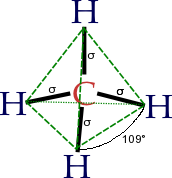
Structure of the organic methane molecule: the simplest hydrocarbon compound

Organic chemistry is a chemistry part of discipline involving scientifically studying of the properties, structure, and reactions of organic compounds and organic materials. We can say that subject in its various forms that contain carbon atoms. Study of structure includes using spectroscopy and other chemical and physical  methods to determine the chemical constitution and composition of organic materials and compounds .


Study of properties includes both physical properties and chemical properties, and uses similar methods as well as methods to evaluate chemical reactivity, with the aim to understand the behavior of the organic matter in its pure form (when possible), but also in solutions, mixtures, and fabricated forms. The study of organic reactions includes both their preparation by synthesis or by other means as well as their subsequent reactivities, both in the laboratory and via theoretical (in silico) study.

Carcinogenesis (oncogenesis) Part 1

Carcinogenesis (oncogenesis)

Series of mutations are responsible for Cancers. Each mutation is responsible for the alteration of the behaviorof the cell somewhat

Carcinogenesis or oncogenesis is the creation of cancer literally. It is a process where normal cells are transformed into cancer cells. There is a progression of changes at the genetic, cellular and epigenetic level that reprogram a cell to undergo uncontrolled cell division, thus forming a malignant mass.
Under normal circumstances, the balance between proliferation and programmed cell death, usually in the form of apoptosis, is maintained by tightly regulating both processes to ensure the integrity of organs and tissues. Mutations and epimutations in DNA that lead to cancer (only certain mutations and epimutations can lead to cancer and the majority of potential mutations and epimutations will have no bearing) disrupt these orderly processes by disrupting the programming regulating the processes.

Antifungal

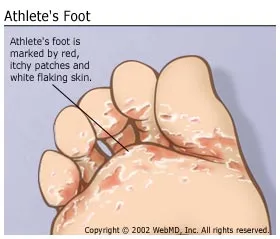
An antifungal  is a pharmaceutical product that is used to kill fungus. Antifungal is  used to treat mycoses such as athlete's foot, ringworm, candidiasis (thrush), serious systemic infections such as cryptococcal meningitis, and others.

Adverse effects:

Apart from side effects like liver damage or affecting estrogen levels, many antifungal medicines can cause allergic reactions in people. For example, the azole group of drugs is known to have caused anaphylaxis.
There are also many drug interactions. Patients must read in detail the enclosed data sheet(s) of the medicine. For example, the azole antifungals such as ketoconazole or itraconazole can be both substrates and inhibitors of the P-glycoprotein, which (among other functions) excretes toxins and drugs into the intestines. Azole antifungals also are both substrates and inhibitors of the cytochrome P450 family CYP3A4, causing increased concentration when administering, for example, calcium channel blockers, immunosuppressants, chemotherapeutic drugs, benzodiazepines, tricyclic antidepressants, macrolides and SSRIs.

Carcinogenesis (oncogenesis) Part 2

Mechanisms:

Cancer is a genetic disease: In order for cells to start dividing uncontrollably, genes that regulate cell growth must be damaged. Proto-oncogenes are genes that promote cell growth and mitosis, whereas tumor suppressor genes discourage cell growth, or temporarily halt cell division to carry out DNA repair. Typically, a series of several mutations to these genes is required before a normal cell transforms into a cancer cell. This concept is sometimes termed "oncoevolution." Mutations to these genes provide the signals for tumor cells to start dividing uncontrollably. But the uncontrolled cell division that characterizes cancer also requires that the dividing cell duplicates all its cellular components to create two daughter cells. The activation of anaerobic glycolysis (the Warburg effect), which is not necessarily induced by mutations in proto-oncogenes and tumor suppressor genes, provides most of the building blocks required to duplicate the cellular components of a dividing cell and, therefore, is also essential for carcinogenesis.

  • Cell types involved in cancer growth:

Antibodies (immunoglobulin) Part 2

Function:

Activated B cells differentiate into either antibody-producing cells called plasma cells that secrete soluble antibody or memory cells that survive in the body for years afterward in order to allow the immune system to remember an antigen and respond faster upon future exposures.
At the prenatal and neonatal stages of life, the presence of antibodies is provided by passive immunization from the mother. Early endogenous antibody production varies for different kinds of antibodies, and usually appear within the first years of life. Since antibodies exist freely in the bloodstream, they are said to be part of the humoral immune system. Circulating antibodies are produced by clonal B cells that specifically respond to only one antigen (an example is a virus capsid protein fragment). Antibodies contribute to immunity in three ways: they prevent pathogens from entering or damaging cells by binding to them; they stimulate removal of pathogens by macrophages and other cells by coating the pathogen; and they trigger destruction of pathogens by stimulating other immune responses such as the complement pathway.

The secreted mammalian IgM has five Ig units. Each Ig unit (labeled 1) has two epitope binding Fab regions, so IgM is capable of binding up to 10 epitopes

Antibodies (immunoglobulin) Part I

Each antibody binds to a specific antigen; an interaction similar to a lock and key

An antibody (Ab) or called immunoglobulin (Ig), is a large Y-shaped protein produced by B-cells that the immune system uses to identify and neutralize foreign objects. The antibody recognizes an antigen which is a unique part of the foreign target. Each tip of the "Y" of an

antibody contains a paratope that is specific for one particular epitope (similarly analogous to a key) on an antigen, allowing these two structures to bind together with precision. Using this binding mechanism, an antibody can tag a microbe or an infected cell for attack by other parts of the immune system, or can neutralize its target directly.The production of antibodies is the main function of the humoral immune system.

Anti Depressants Part 3

Adverse effects:

Difficulty tolerating adverse effects is the most common reason for antidepressant discontinuation. Over 1500 side effects have been cataloged for the SSRI alone.

  • General:


SSRI side effects include but are not limited to: Serotonin syndrome, nausea, diarrhea, increased blood pressure, agitation, headaches, anxiety, nervousness, emotional lability, increased suicidal ideation, suicide attempts, insomnia, drug interactions, neonate adverse reactions, anorexia, dry mouth, somnolence, tremors, sexual dysfunction, decreased libido, asthenia, dyspepsia, dizziness, sweating, personality disorder, epistaxis, urinary frequency, menorrhagia, mania/hypomania, chills, palpitations, taste perversion, and micturition disorder drowsiness, GI irregularities,muscle weakness, long term weight gain.

SSRIs inhibit serotonin-mediated platelet activation. This leads to increased risk of gastrointestinal bleeding; at times as high as 57% increase in risk. This is especially important in the elderly, those with a history of peptic ulcer disease or previous gastrointestinal bleeding, and those on blood thinners, such as aspirin and clopidogrel. A recent observational study shows that SSRIs may increase the risk of transient ischemic attacks and strokes compared with tricyclic antidepressants.
Side-effects of an Noradrenergic and specific serotonergic antidepressant may include drowsiness, increased appetite, and weight gain.
Support : Contact Us | Privacy Policy | Site Map
Copyright © 2013. Tech Jatt - All Rights Reserved
Site Design by Nitin Kundu Licensed to Tech Jatt
Proudly powered by Blogger